
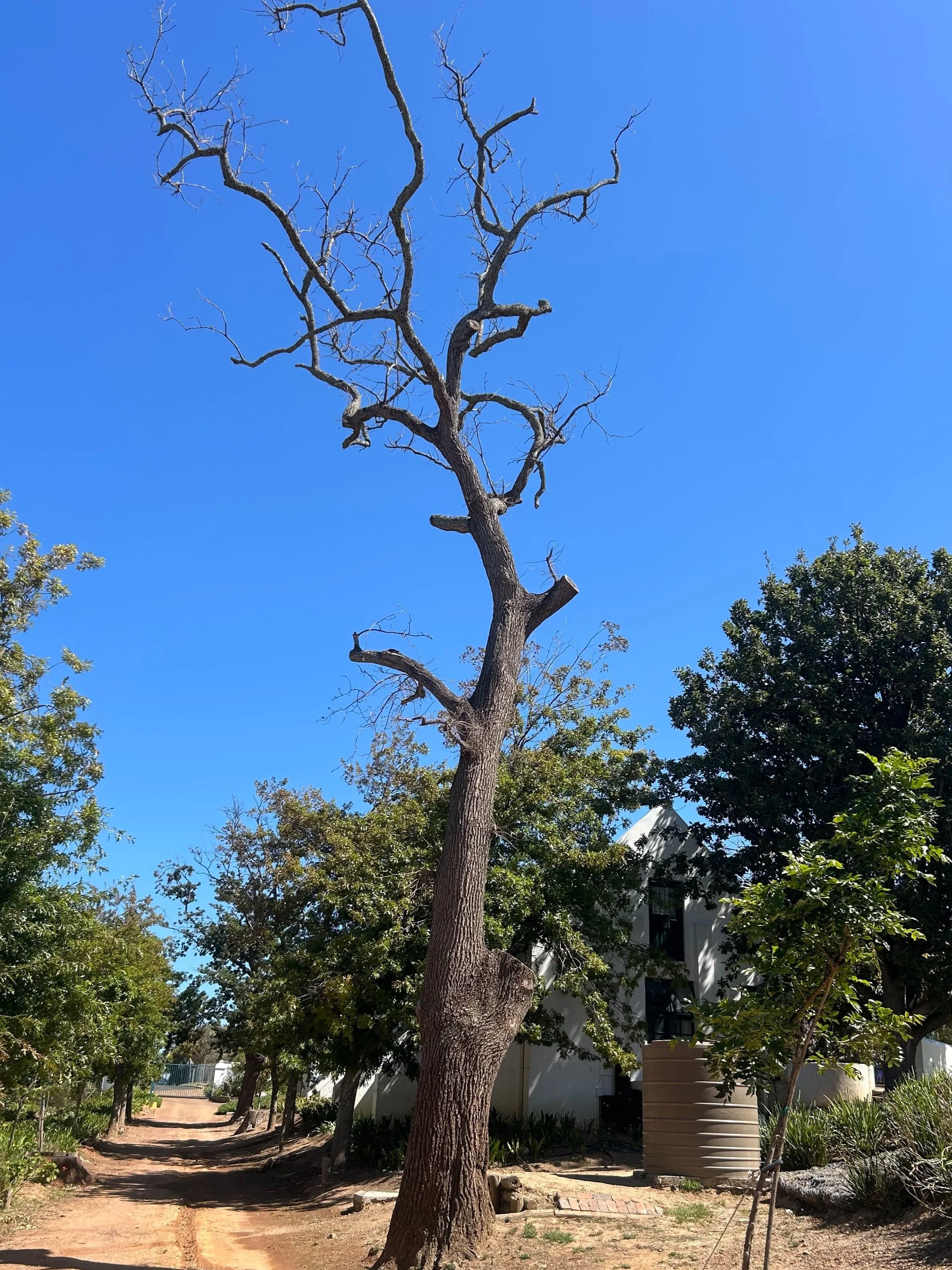
PSHB
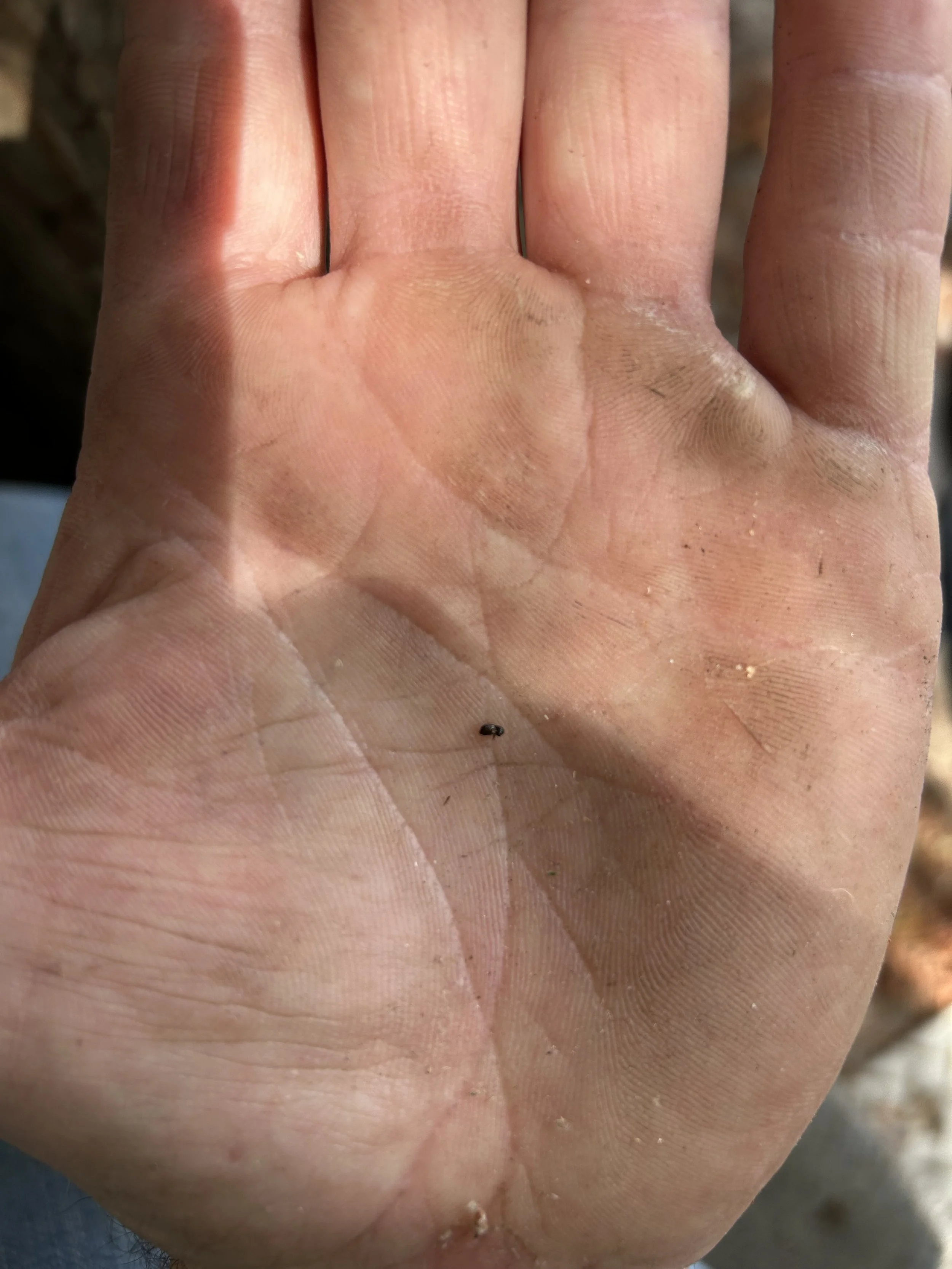
Polyphagus Shot Hole Borer
Invasive ambrosia beetle a major threat to Cape Town’s trees
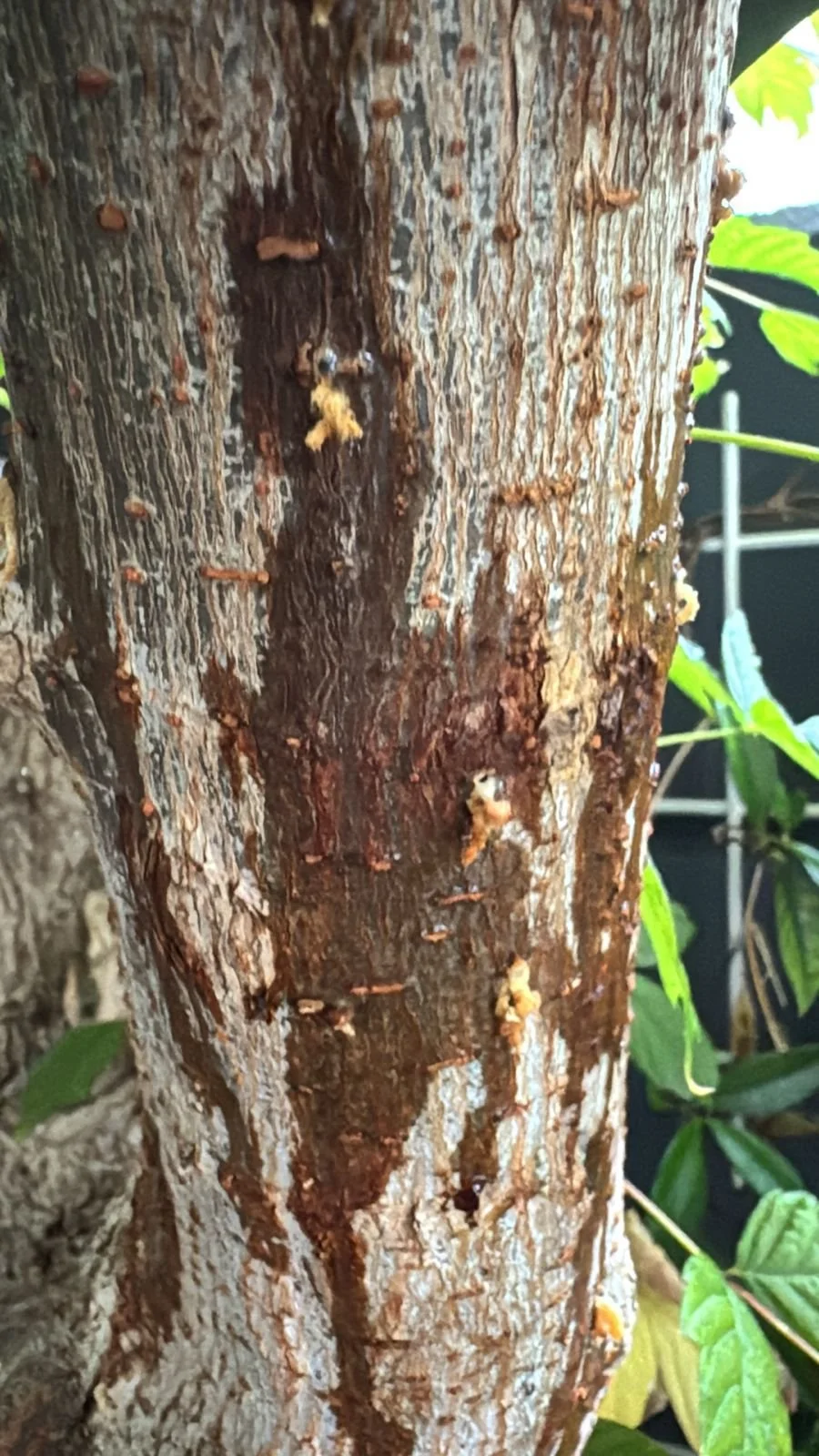
Originating from South East Asia and thought to have been accidentally introduced into the country through untreated shipping pallets. First detected in KZN in 2017 it has steadily spread throughout the country mainly following main transport routes.
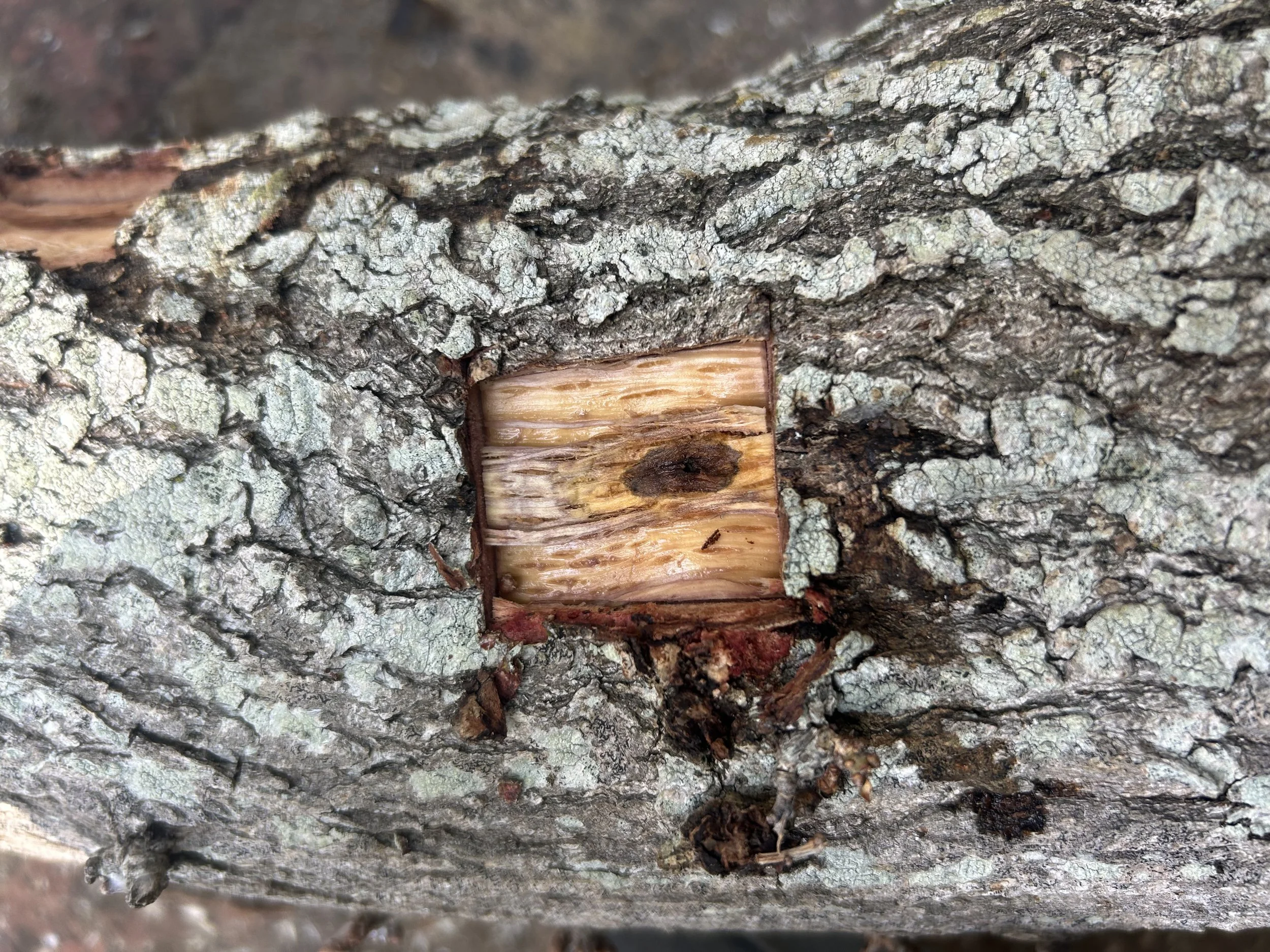
The beetle inhabits many different species of trees and cultivates Fusarium fungus to feed its offspring. The beetle itself does not kill trees but rather the Fusarium fungus disrupts the flow of water and nutrients through the cells causing death in some cases.
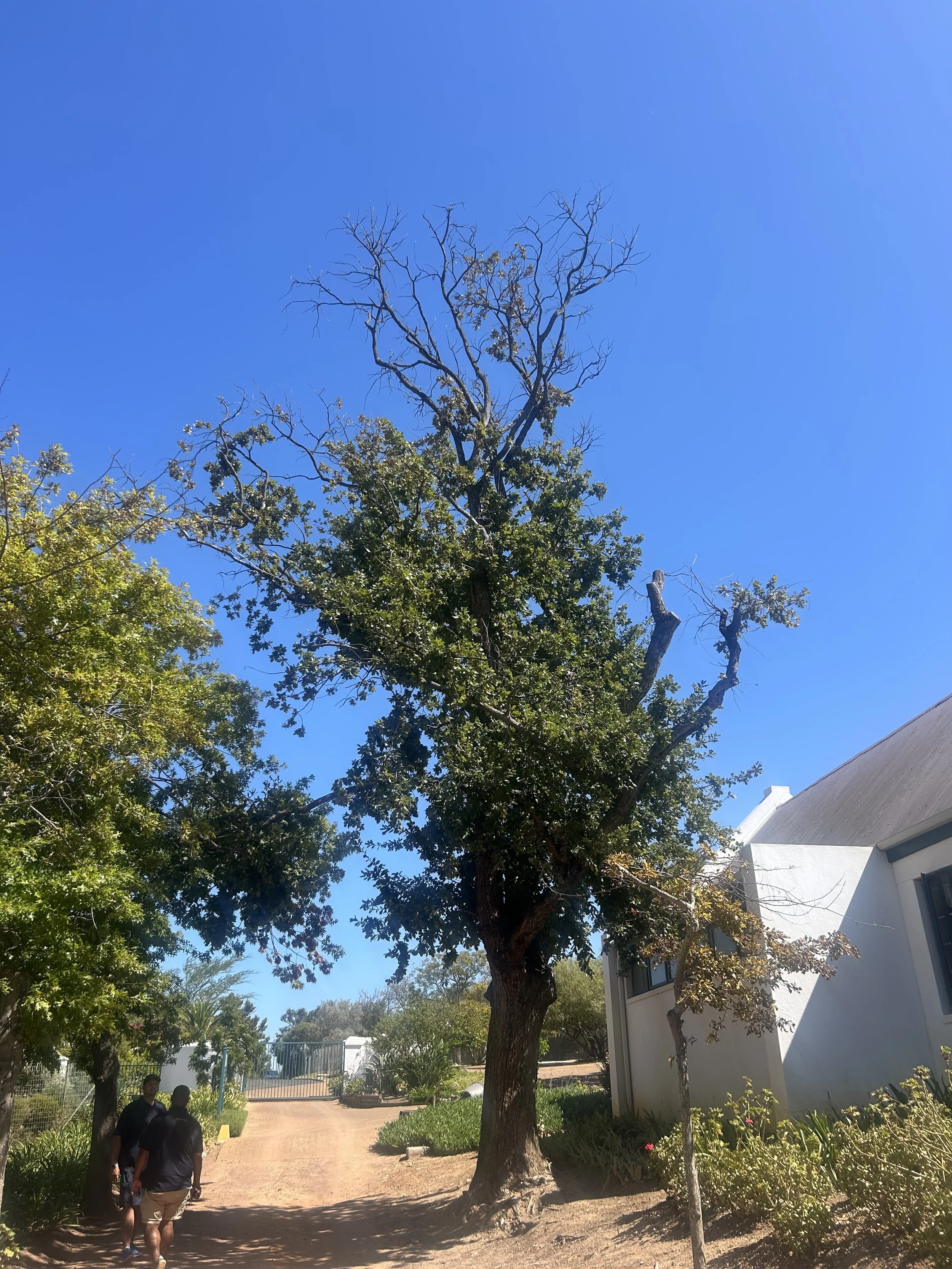
Although the list of host and reproductive host species is very long the worst affected tree species are Acer negundo (Box Elder) & Quercus robur (English Oak). These are the 2 species we are primarily seeing succumb to PSHB.
There is currently no registered chemical treatment for the control of PSHB. To date we have felled many English Oaks and Box Elders where various chemical treatments have failed.
Eradication of PSHB is not likely however it is becoming apparent that after 4-5 years of the beetle infesting an area and after the majority of its preferred reproductive host species have been removed that beetle populations begin to decline and the overall situation stabilises.
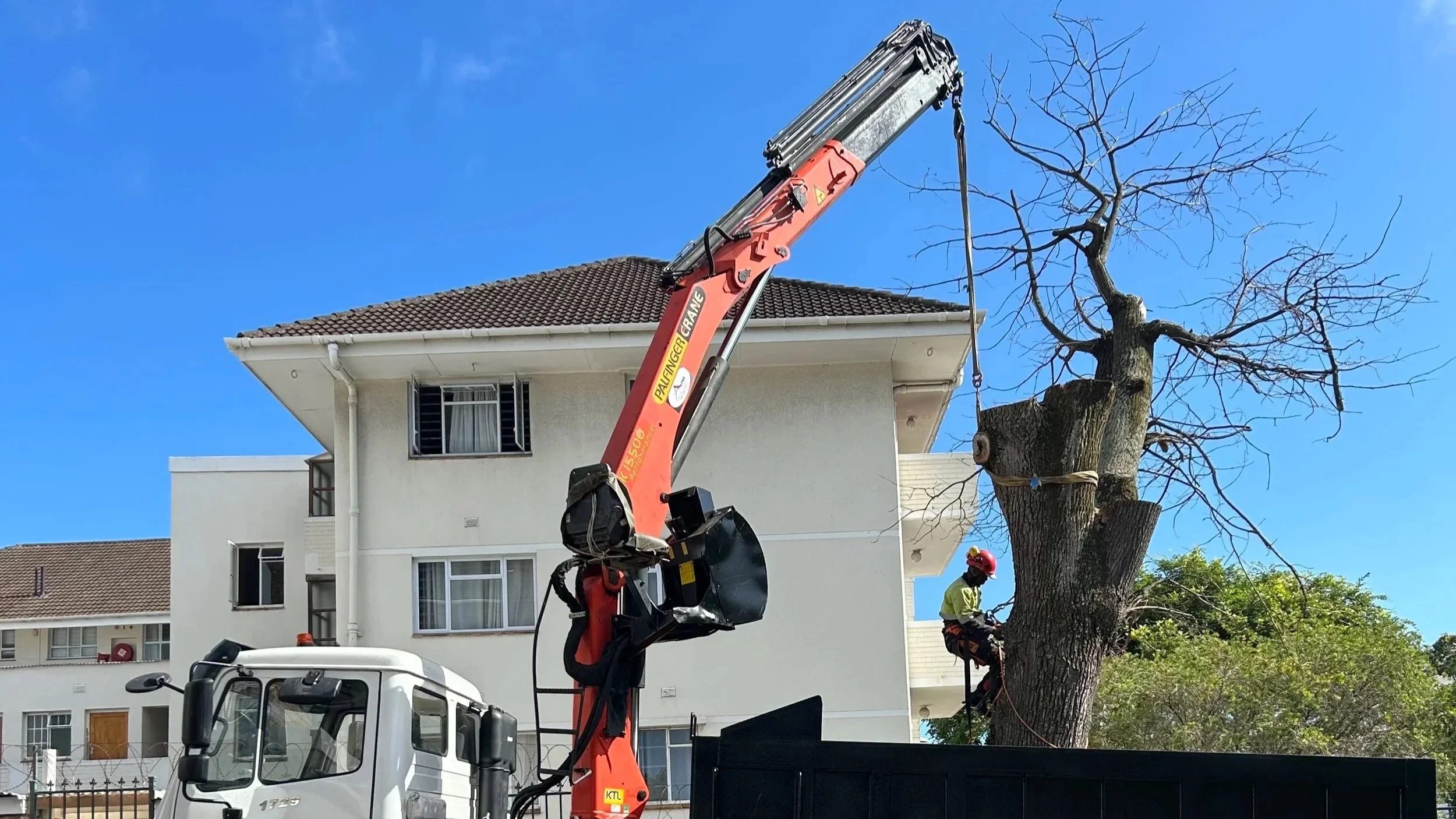
Removal of infected English Oaks and Box Elders is now about risk management rather than containment or eradication. These 2 species become incredibly brittle very quickly after death and therefore it is important for the health and safety of those tasked with their removal that clients undertake to have this done sooner than later.
Constantia Valley Environmental Services is a City of Cape Town trained and approved contractor for the management of PSHB. If you suspect you have a tree infected with PSHB do not hesitate to contact us to arrange an inspection and advise on the best way forward.
Contact us
What can we do for you? Get in touch with your tree care needs and we'll reply to arrange a detailed quote.